Table of Content
Because there are so many different uses for a pole barn, it’s no surprise that there are several different flooring options to choose from. The material easily handles debris and moisture and is ideal for agricultural and storage pole barns. Additionally, look for prefab cabins that offer customization options, so you can choose the size and design that best suits your needs. The price of prefab cabin kits will depend on the size and materials used, but can range from around $10,000 to over $50,000.
There are various types of prefab cabins available, including prefab tiny cabins, prefab log cabin kits, prefab hunting cabins, and off-grid prefab cabins. The kit to build a modular log cabin can cost anywhere from $14,000 to $30,000. Kits are sets that a company will ship to you with all the tools and wood you need to build an entire cabin. Modular homes cost 10% to 20% less than traditional homes, as low as $50 per square foot.
Modular Home Permits
While a 500-square-foot log home costs $75,000 on average, different companies have varying prices. Below are some of the most popular brands and what you can expect to pay. Modern prefab units and smaller layouts also run on the higher end of the price range due to the economies of scale. In other words, you’ll often pay more per square foot for a 100-square-foot cabin than one that’s 500 square feet. The second most common foundation for a prefabricated garage is a concrete foundation known for strength and ease of maintenance. It has excellent durability, water and fire resistance, a longer lifespan, and compressive strength.

Costs of prefab cabins typically range from $80 to $230 per square foot. The lower end of this price range includes builder-grade materials, while the higher end of the range includes high-end materials. Some prefab cabins are available in modular or panelized format and require finishing and assembly, while others are not. However, many prefab units offer the option of customizing them. They have the quality and durability of stick-built homes, but without the time-consuming process of wood sourcing and weather.
Finish Roofing
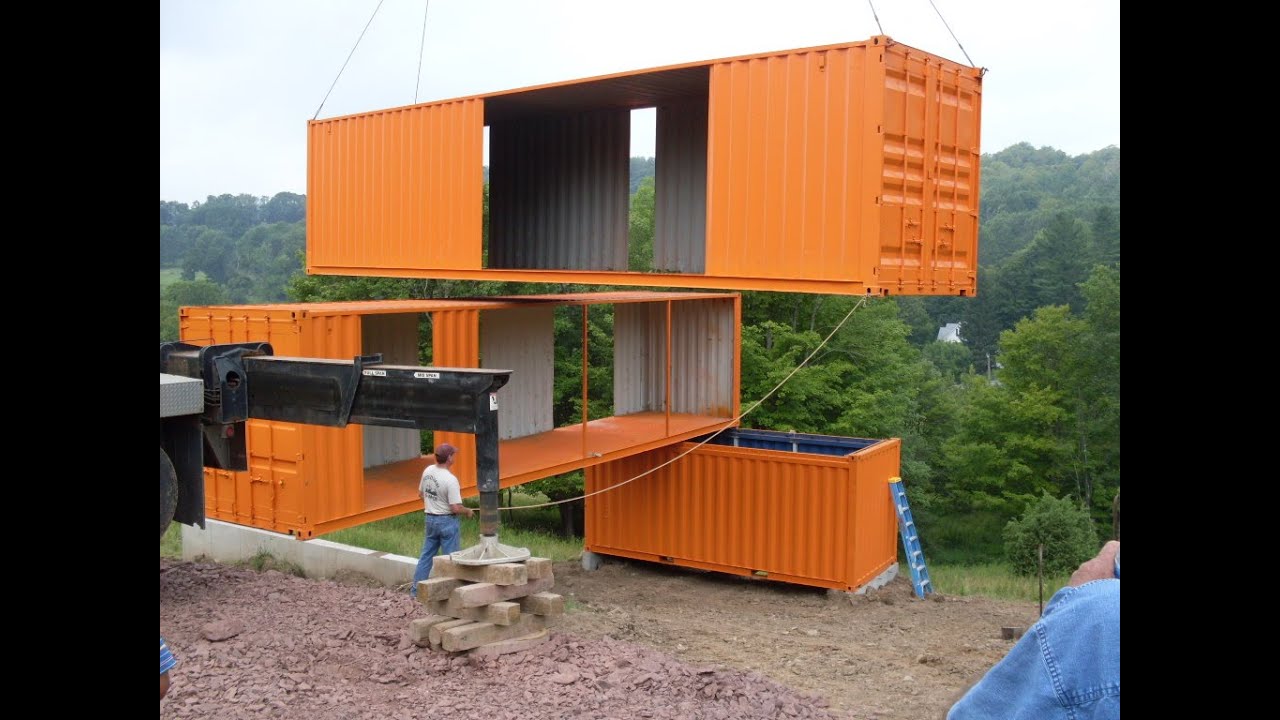
Off-grid prefab cabins also provide complete autonomy and independence, allowing you to enjoy an off-the-grid lifestyle without having to worry about utility bills. Prefab tiny cabins are often more affordable than traditional structures due to their prefabricated nature and fast build time. However, prefab shipping container cabins are often more affordable than traditional structures due to their prefabricated nature and fast build time. Metal prefab cabins are also becoming increasingly popular, as they offer superior strength and durability. Prefab cabins are typically constructed from a variety of materials, such as wood, metal, plastic and prefabricated components. Modular homes are smaller and cheaper than traditionally build homes or cabins.
Therefore, modular log cabin homes protect you from harsh temperature change and keep you warm in cold weather. Modular log cabins have been built with conspicuous and distinct logs. In rustic cabins and hunting cabins, the main structure is flat and treated wood, which looks slightly different.
Foundation Type
Since pole barns are so durable, they provide great shelter for vehicles, farm animals, harvested crops, farm equipment, tools, and other valuable items. Finally, monitor roofs have a raised structure built atop the ridge of the building’s main roof. Buildings with monitor roofs essentially look like those with a regular gable roof that splits into two stories and is raised in the middle. These roofs are the perfect choice for areas with high winds and heavy snow loads; the slanted design of the roof allows snow to fall off easily. With all this being said, two major drawbacks to hip roofs are how expensive and difficult they are to build. Not all pole barns will benefit from having electricity installed.
You'll also need to complete some tasks beforehand, including clearing the land and laying a foundation. There are a few different common types of log cabins, including A-frame cabins, prefab cabins, and DIY cabins. Log cabins have a similar price per square foot as the cost to build a house, which is about $100 and $200 per square foot. The main advantage of a log cabin when it comes to price is that it’s small and cozy—the perfect place to get away from it all. A log cabin kit runs from around $50 to $80 per square foot for the basics, such as walls, a roof, windows, and doors. You'll either need to pay extra per square foot to get a foundation, floors, and bathroom finishes or outsource these tasks.
000-Square-Foot Cabin Cost
Whichever way you go, working with a professional home builder near you is always your best bet. Expect to pay anywhere from $100 to $300 per square foot to build a small cabin, though average prices range from $125 to $175 per square foot. This is comparable to the cost of a tiny home, which typically runs from $100 to $200 per square foot but can cost as much as $300 per square foot.

While a 500-square-foot cabin is $75,000 on average, costs vary depending on the location and design. You’ll need to talk to a pro to figure out the style and layout. Hiring an architect costs 5% to 20% of the total project price on average. While you’ll get less say in the design, modular log cabin prices can be more affordable.
Cheaper materials always come back to bite your wallet and your budget. If you have regular visitors or out-of-town family members, a prefab cabin can serve as the perfect guest house. A guest cabin can provide your visitors with their own space to relax and feel at home. For those who are looking for an affordable way to own a home, a prefab cabin can be the perfect solution.
A typical home has an overhang of six inches to 12 inches, but a log home requires more overhang. You may also want to consider building covered porches on the west and south sides to protect the logs from the elements. A covered porch also allows you to perform routine maintenance and prevent mold and mildew from forming. The maintenance of a log home is minimal compared to that of a conventional home. Routine tasks include hosing down the exterior to remove dust and debris, checking the roof and checking the exterior twice a year. It is also important to check the seals and downspouts to ensure they are not cracked.
You can either choose to paint the exterior of your home, or you can apply stain that matches the interior. Remember that different types of stain have different pigment levels, so choose the color that matches the interior of your home. For a rustic look, choose a lighter color for the interior and darker for the exterior. If you will also find cabins clustered together and forming a neighborhood of their own. Humans are social creatures and are likely to succumb to the slightest opportunity at building a community of sorts.
Check the roof regularly, because leaks and water damage can quickly cost a lot of money. This is because being a homeowner comes with an additional sense of security since there is no fear of getting evicted or missing out on rent payments. Find hiring guides, material costs, expert advice, how-to's and more.




No comments:
Post a Comment